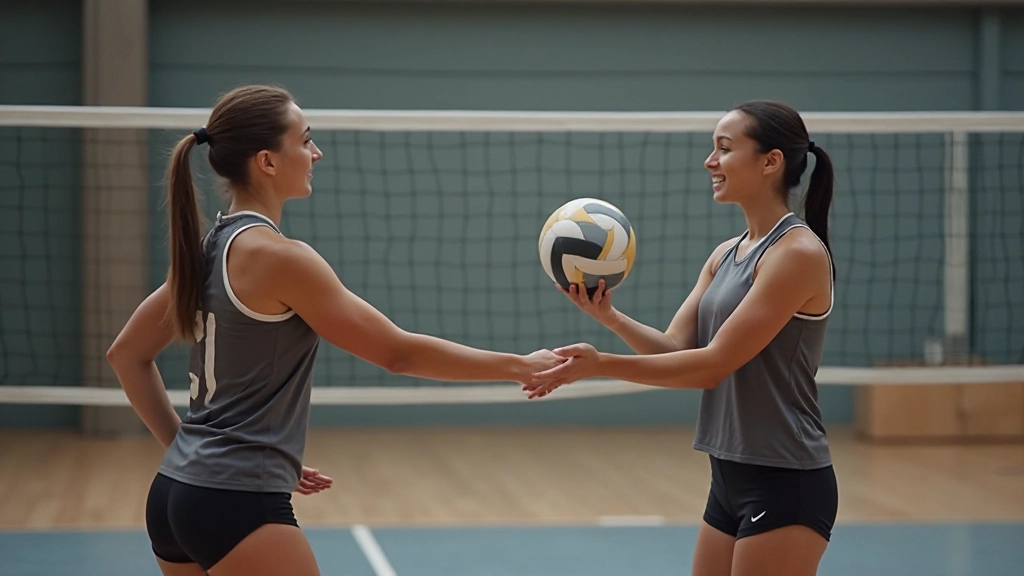
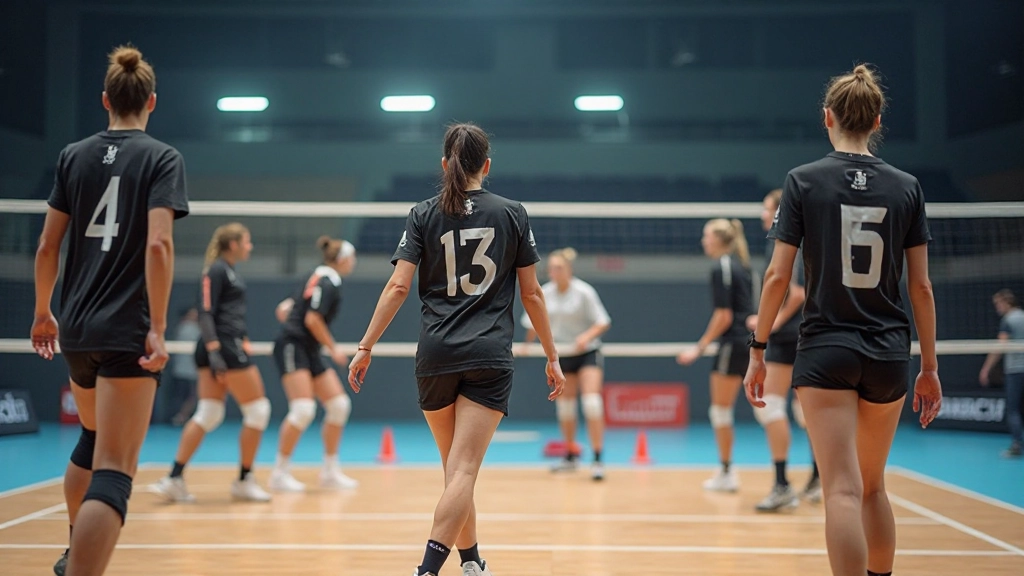
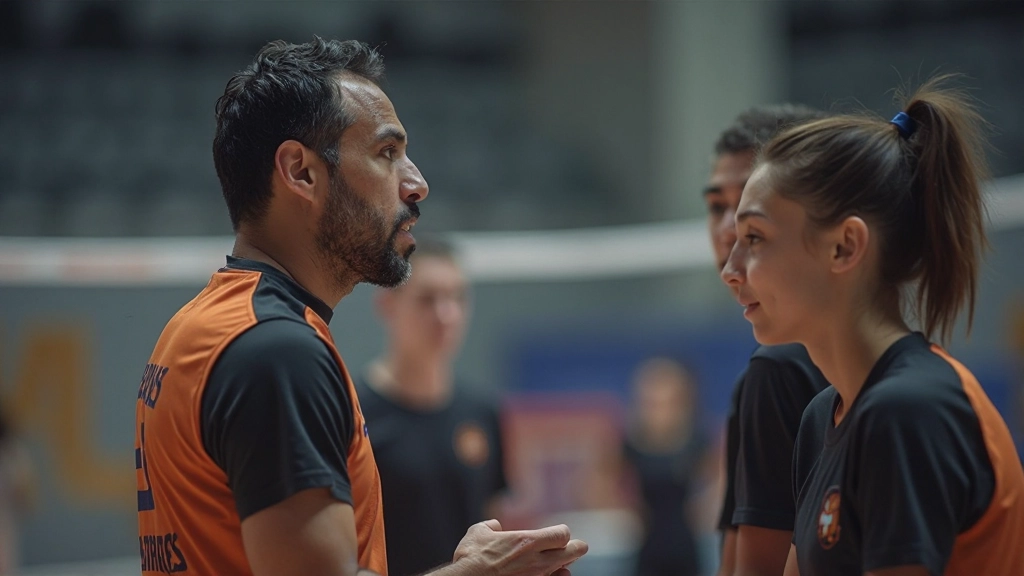
Contact Us
Contact Us

Master Volleyball Training Strategies in Egypt

Comprehensive coaching methodologies, team formation tactics, and athletic conditioning programs designed for competitive sports excellence. Develop your athletes through evidence-based training approaches and strategic game planning.

Professional volleyball coach demonstrating proper technique to athletes during team training session

Core Training Components

A successful volleyball program integrates multiple training dimensions

Technical Skill Development

Systematic progression of fundamental volleyball techniques including serving, passing, setting, attacking, and blocking with focus on proper form and consistency.

Tactical Game Understanding

Development of strategic awareness including court positioning, rotation systems, defensive coverage patterns, and opponent analysis methodologies.

Physical Conditioning

Periodized strength and endurance training programs designed to develop power, speed, agility, and injury prevention through scientifically-structured workout cycles.

Mental Performance

Psychological preparation including focus development, pressure management, team communication strategies, and competitive mindset training.

Team Dynamics

Building cohesive team units through collaborative training structures, communication frameworks, and synchronized movement patterns.

Performance Analysis

Systematic evaluation of athlete progress and team performance through data collection, video analysis, and periodic assessment protocols.

Training Program Structure

Effective volleyball development follows a logical progression framework

1

Assessment Phase

Evaluate current athlete skill levels, physical capabilities, and team dynamics to establish baseline metrics and identify development priorities.

2

Program Design

Create customized training plans that address identified gaps, incorporate periodized cycles, and align with competitive calendar objectives.

3

Implementation

Execute structured training sessions focusing on skill development, tactical understanding, and physical conditioning through progressive training structures.

4

Monitoring

Track athlete progress through regular assessments, video analysis, and performance metrics to ensure training effectiveness and adjust approaches as needed.

5

Competition Preparation

Transition training focus toward match simulation, pressure training, and competition-specific strategies to prepare athletes for competitive environments.

6

Continuous Improvement

Post-competition analysis and program refinement based on performance data and athlete feedback to optimize future training cycles.

Understanding Competitive Volleyball Development

Volleyball training in competitive environments requires a comprehensive understanding of technical, tactical, physical, and psychological components. Successful programs integrate these elements into cohesive training structures that develop athletes systematically over extended periods.

Technical progression builds from basic fundamentals to advanced techniques with emphasis on consistency and efficiency.

Tactical frameworks develop athletes' understanding of game situations, positioning, and strategic decision-making.

Physical development through periodized training optimizes athletic qualities required for volleyball performance.

Team cohesion and communication form the foundation for synchronized, effective competitive play.

Explore Full Training Guides
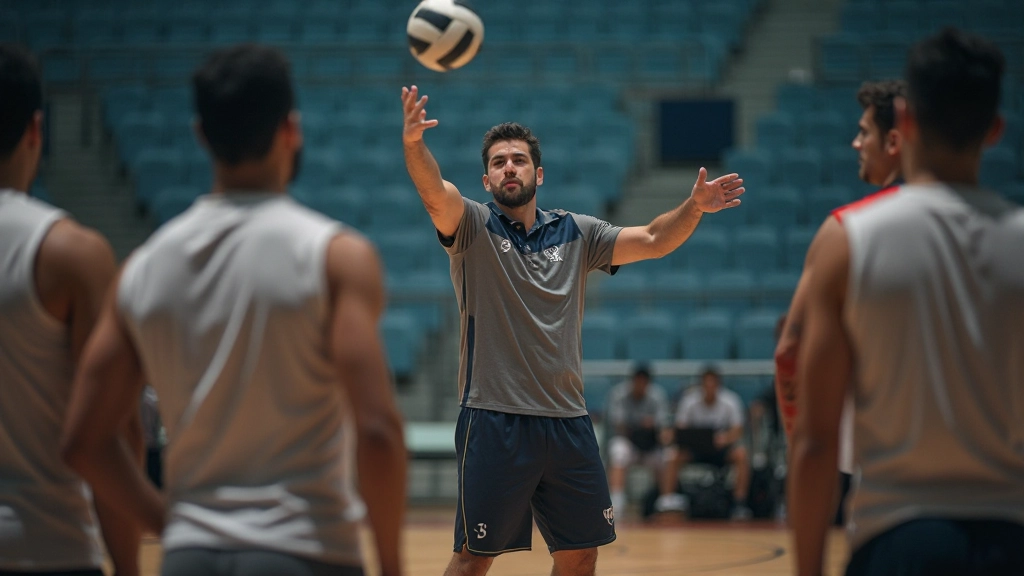
Professional volleyball training session with coach and team athletes on indoor court

Important Training Considerations

Key factors that influence volleyball training effectiveness

Periodization

Organizing training into distinct phases (preparation, competition, transition) allows for systematic development of different athletic qualities while managing fatigue and preventing overtraining.

Progression

Advancing training difficulty, complexity, and intensity must follow logical sequences that allow athletes to master foundational skills before introducing advanced techniques.

Individual Differences

Athletes progress at varying rates and have different learning preferences. Training programs benefit from flexibility to accommodate individual needs while maintaining team cohesion.

Recovery Integration

Adequate recovery between training sessions is essential for adaptation and performance improvement. Rest days and recovery protocols prevent injury and optimize training responses.

Feedback Systems

Regular assessment and feedback help athletes understand progress, identify areas for improvement, and maintain motivation throughout training cycles.

Competition Simulation

Training that mirrors competitive conditions including pressure, fatigue, and match scenarios better prepares athletes for actual competition performance.

Connect With Us

Share your questions about volleyball training strategies and we'll provide information to support your coaching and athletic development goals.