Contact Us
Contact Us

Volleyball Training Strategies in Egypt

Discover comprehensive coaching methodologies, team development approaches, and competitive sports tactics designed for modern volleyball excellence. Explore evidence-based training systems that elevate athletic performance and team dynamics.

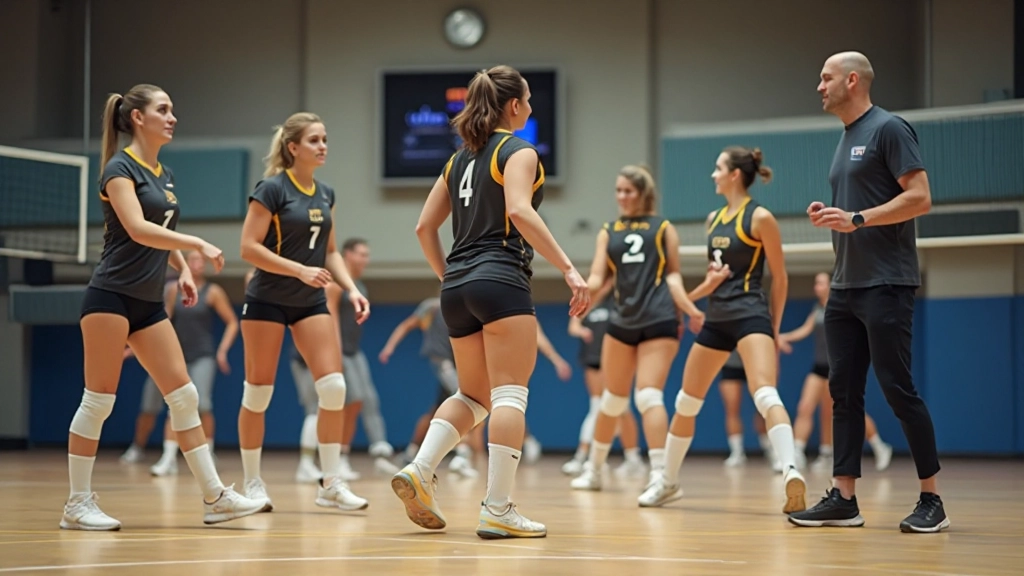
Professional volleyball team training session on indoor court with players practicing formations
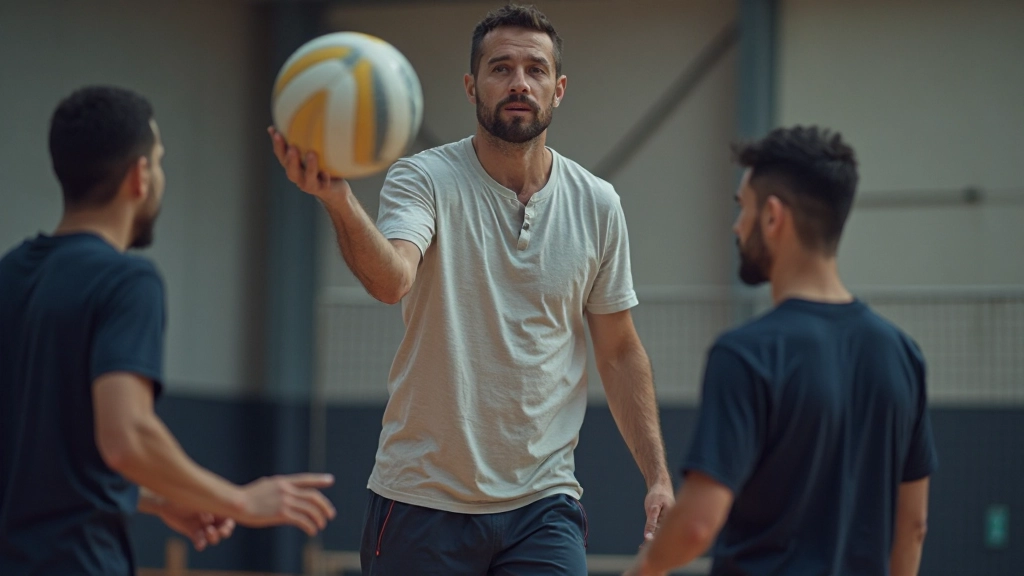
Coach demonstrating proper volleyball serving technique to players during training session

Fundamental Coaching Principles for Skill Development

Explore systematic approaches to teaching volleyball fundamentals including passing, setting, and spiking techniques. Learn progressive training structures that build athlete confidence and technical proficiency.

Read More
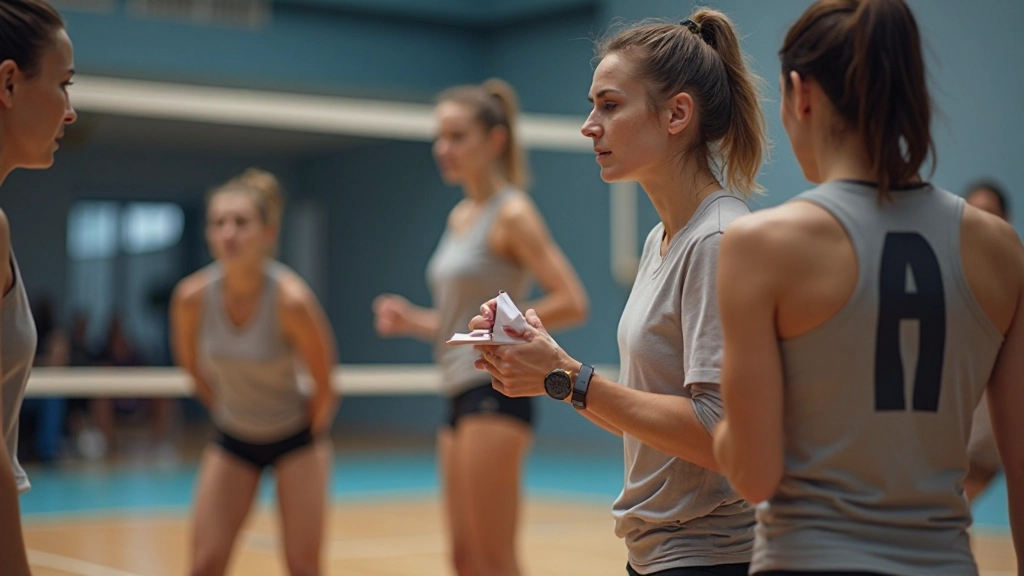
Volleyball team executing organized defensive formation during competitive match practice

Team Formation Strategies and Defensive Systems

Understand various defensive configurations and tactical team arrangements. Study how different formations impact game performance and develop strategies adapted to opponent analysis.

Read More
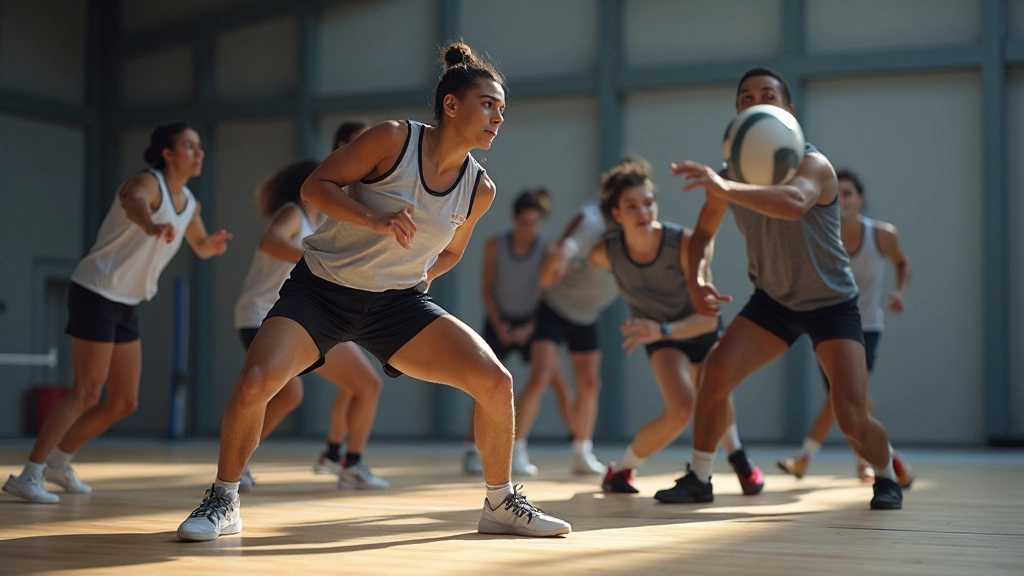
Athletes performing conditioning exercises and fitness training for volleyball performance

Athletic Conditioning and Performance Enhancement Programs

Investigate comprehensive conditioning methodologies that build strength, speed, and endurance. Learn periodized training cycles that optimize physical development throughout competitive seasons.

Read More

Coach reviewing match statistics and game footage with team using video analysis

Game Analysis and Strategic Match Planning Techniques

Examine methods for analyzing opponent patterns and developing match-specific strategies. Learn how data-driven insights inform tactical decisions and competitive preparation approaches.

Read More

Young volleyball players practicing with coach in team environment demonstrating teamwork

Youth Development and Team Building Methodologies

Discover approaches for cultivating emerging talent and fostering team cohesion. Learn frameworks for building positive team culture while developing individual athletic capabilities.

Read More
Core Training Methodologies Overview

Modern volleyball training systems combine several evidence-based approaches to develop comprehensive athlete capabilities:

Progressive Skill Development

Structured progression from foundational techniques to advanced tactical applications, building confidence and competency through carefully sequenced drills.

Periodized Training Cycles

Systematic variation of training intensity and focus throughout seasons, balancing skill development, physical conditioning, and competition preparation phases.

Tactical Game Simulation

Practice structures that replicate competitive scenarios, allowing athletes to develop decision-making abilities and apply techniques under match conditions.

Individual Athlete Assessment

Evaluation frameworks that identify strengths and development areas, informing personalized training plans that maximize each athlete's potential contributions.

Team Communication Systems

Structured on-court communication protocols and team organization systems that enhance coordination and decision-making during competitive play.

Performance Data Analysis

Statistical tracking and video analysis systems that provide objective feedback on team and individual performance metrics across training and competition.

Essential Elements for Competitive Success

Achieving competitive excellence in volleyball requires attention to multiple interconnected factors:

  • Technical Foundation: Mastery of basic techniques (passing, setting, attacking, blocking) forms the foundation for advanced tactical play and match success.
  • Physical Conditioning: Comprehensive fitness development including strength, speed, agility, and endurance specific to volleyball movement demands.
  • Mental Resilience: Development of focus, confidence, and emotional regulation during competitive pressure situations and challenging match scenarios.
  • Team Chemistry: Cultivated through consistent practice structures, clear communication protocols, and shared understanding of team tactical objectives.
  • Tactical Flexibility: Capacity to adapt strategies based on opponent analysis, match situations, and in-game adjustments during competition.
  • Recovery Management: Structured approaches to physical recovery, injury prevention, and maintenance of athlete health throughout training cycles.
  • Leadership Development: Identification and cultivation of player leaders who influence team culture, communication, and competitive motivation.
  • Continuous Evaluation: Regular assessment of individual athlete development, team performance metrics, and training program effectiveness with systematic adjustments.