Contact Us
Contact Us

Athletic Conditioning and Performance Enhancement Programs

Explore comprehensive conditioning methodologies that build strength, speed, and endurance. Learn about periodized training cycles that optimize physical development throughout competitive seasons and enhance overall athletic capabilities.

8 min read 2025

Understanding Athletic Conditioning Fundamentals

Athletic conditioning forms the foundation of sports performance development. Comprehensive conditioning programs address multiple physical dimensions simultaneously: cardiovascular endurance, muscular strength, power output, flexibility, and movement efficiency. These interconnected elements work together to enhance an athlete's capacity to perform sport-specific skills under demanding conditions.

Modern conditioning approaches recognize that physical preparation extends beyond simple fitness metrics. Athletes require sport-specific conditioning that mirrors the movement patterns, intensity profiles, and tactical demands of their sport. This alignment between training stimulus and competitive demands ensures athletes develop relevant physical capabilities that transfer directly to match performance.

  • Cardiovascular system development for sustained effort and recovery capacity
  • Muscular strength foundation supporting skill execution and injury prevention
  • Power and explosiveness for dynamic movements and rapid directional changes
  • Movement efficiency and neuromuscular coordination for skill consistency
  • Metabolic conditioning matching sport-specific energy system demands
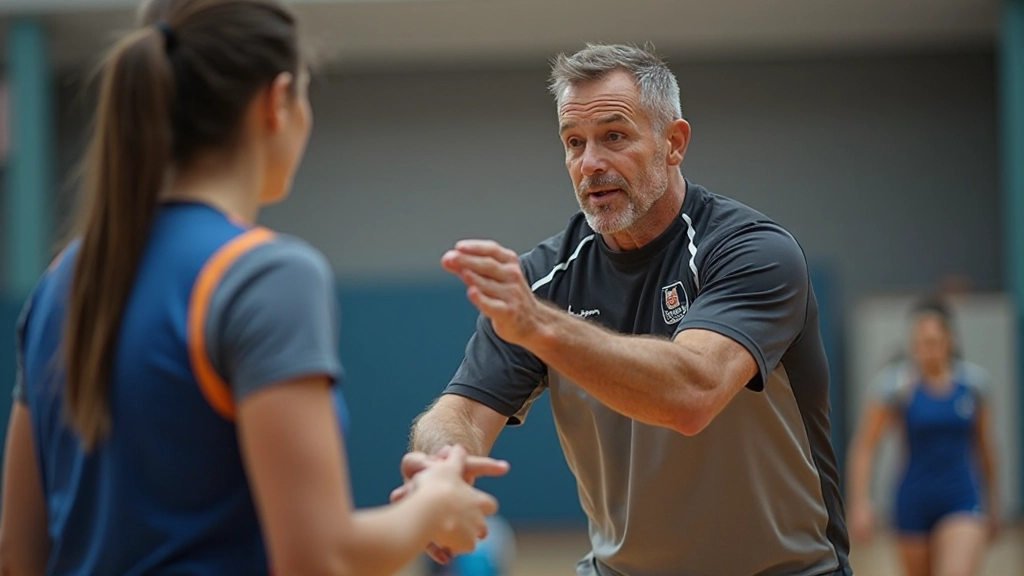
Professional athlete performing strength conditioning exercise with proper form and technique in modern training facility

Periodized Training Cycles and Progression Models

Periodization represents a systematic approach to organizing training over extended timeframes, strategically varying training stimulus to produce progressive physical adaptations. Rather than maintaining constant training intensity and volume throughout the year, periodized programs strategically manipulate training variables to optimize development phases aligned with competitive calendars.

Macrocycle Structure

Annual training plans spanning 12 months, organizing the complete competitive year into distinct phases. Macrocycles establish long-term progression pathways, allowing athletes to develop foundational strength during off-season periods and transition progressively toward sport-specific capabilities as competitive periods approach.

Mesocycle Organization

Training blocks lasting 3-6 weeks with specific physiological development objectives. Mesocycles concentrate training stimulus on particular adaptations—whether building aerobic base, developing power, or enhancing sport-specific endurance—before transitioning to subsequent training blocks addressing different qualities.

Microcycle Details

Weekly training organization specifying daily training objectives, intensity variations, and recovery protocols. Microcycles provide detailed implementation structure, managing acute training stress while maintaining appropriate recovery windows for adaptation processes. Typically include 4-6 training days with strategically placed recovery sessions.

Progressive overload remains central to periodized training, requiring systematic increases in training stimulus across mesocycles. Progression may occur through increased training volume, intensity elevation, density improvements, or complexity enhancement. Strategic variation in progression methods prevents adaptation plateaus while managing injury risk associated with rapid stimulus escalation.

Essential Training Components for Performance Development

Comprehensive conditioning programs integrate multiple training modalities, each addressing specific physiological systems and performance characteristics. Effective programming combines resistance training, metabolic conditioning, flexibility work, and sport-specific movement patterns within a cohesive framework.

Resistance Training Development

Structured strength and power development through progressive resistance exercise. Programs progress from foundational strength building emphasizing proper movement patterns, through hypertrophy phases developing muscular size, toward power-focused training maximizing force production velocity. Sport-specific exercise selection ensures resistance training develops muscles and movement patterns directly applicable to competitive performance.

Metabolic Conditioning Protocols

Training methodologies targeting energy system development specific to sport demands. High-intensity interval training develops anaerobic capacity and power maintenance during intense efforts. Steady-state conditioning builds aerobic base supporting recovery between high-intensity activities. Training structure matches the work-to-rest ratios characteristic of competitive matches, ensuring physiological adaptations align with actual competitive demands.

Movement Quality and Mobility

Systematic development of movement efficiency, flexibility, and joint mobility supporting injury prevention and skill execution consistency. Dynamic mobility work prepares movement systems for training demands. Corrective exercise addresses movement dysfunction patterns. Comprehensive mobility development maintains range of motion necessary for sport-specific techniques while reducing injury risk from movement restrictions.
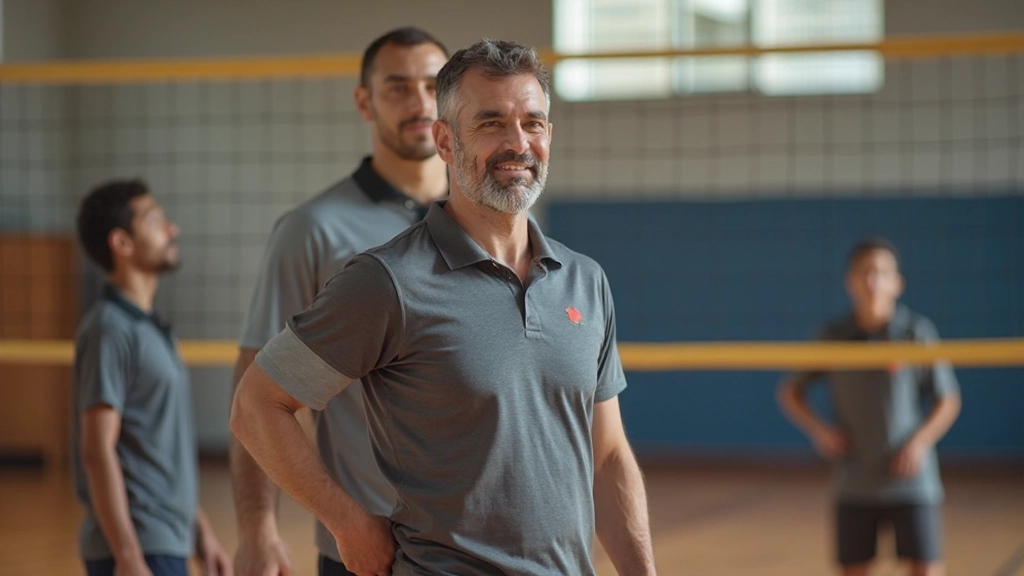
Team athletes performing coordinated conditioning drill with proper technique and focus during group training session

Information Notice

This content provides educational information about athletic conditioning methodologies and training principles. It does not constitute professional coaching advice, medical guidance, or personalized training prescriptions. Athletic conditioning involves physical stress requiring proper supervision and individual assessment. Individuals beginning conditioning programs should consult qualified coaches, strength professionals, or medical practitioners to ensure training appropriateness for their specific circumstances, experience level, and health status. Training responses vary significantly among individuals based on age, experience, health status, and other factors.

Program Implementation and Adaptation Strategies

Translating conditioning theory into practical application requires systematic program design considering multiple variables: athlete experience level, available training facilities and equipment, coaching expertise, competitive schedule, and individual athlete characteristics. Effective implementation balances training specificity with sustainable progression.

1

Assessment and Baseline Establishment

Initial evaluation identifies athlete physical qualities, movement patterns, strength imbalances, and mobility limitations. Baseline testing establishes reference points for measuring progress and informs program individualization. Assessment findings guide exercise selection, training intensity prescription, and progression pacing.

2

Program Design and Structure

Developing periodized frameworks aligned with competitive calendars. Program design integrates resistance training, metabolic conditioning, mobility work, and recovery protocols into weekly and monthly structures. Training emphasis shifts progressively from general physical preparation toward sport-specific conditioning as competitive periods approach.

3

Execution with Quality Monitoring

Implementing designed programs while maintaining attention to movement quality and training intensity. Proper exercise execution prevents compensatory patterns and injury risk. Regular coaching feedback ensures athletes perform exercises as prescribed, achieving intended training stimulus and adaptations.

4

Ongoing Evaluation and Adjustment

Continuous progress monitoring through performance testing, subjective feedback assessment, and movement quality observation. Program adjustments respond to athlete adaptation rates, competitive performance feedback, and changing training circumstances. Flexibility in program modification ensures training remains effective as athlete capabilities advance.

Individual variability requires programs to incorporate adjustment mechanisms responding to athlete-specific adaptation patterns. Some athletes demonstrate rapid strength development but slower endurance adaptations, requiring training emphasis adjustments. Others show different patterns. Systematic feedback collection and willingness to modify programs ensures training remains optimized for individual athlete development trajectories.

Recovery Integration and Adaptation Optimization

Physical adaptations occur during recovery periods, not during training stimulus application. Comprehensive conditioning programs recognize recovery as equally important as training stimulus management. Systematic recovery integration maximizes training effectiveness while maintaining athlete health and readiness for subsequent training sessions.

Sleep and Rest

Fundamental recovery mechanism enabling physiological adaptation. Adequate sleep duration supports hormonal balance, nervous system recovery, and tissue repair processes. Most athletes require 7-9 hours nightly for optimal recovery and adaptation.

Nutritional Support

Providing nutritional resources supporting tissue repair, glycogen replenishment, and adaptation processes. Post-training nutrition timing and composition influence recovery speed and training response magnitude. Adequate protein intake supports muscular adaptation; carbohydrate availability sustains training intensity.

Hydration Management

Maintaining fluid balance supporting cardiovascular function, thermoregulation, and nutrient transport. Proper hydration enhances training capacity and recovery speed. Dehydration impairs performance and slows adaptation processes. Individualized hydration strategies account for sweat rates and environmental conditions.

Active Recovery

Low-intensity movement sessions promoting blood flow and recovery without imposing additional training stress. Active recovery facilitates metabolic waste clearance and enhances subsequent training readiness. Activities include light movement, stretching, or mobility work maintaining movement quality.

Stress Management

Addressing psychological stress supporting nervous system recovery and hormonal balance. Training represents physical stress; combined with life stress, total stress load impacts adaptation capacity. Stress management techniques support recovery and enhance training response.

Heart Rate Monitoring

Tracking cardiovascular recovery indicating nervous system status and readiness for training. Resting heart rate elevation may indicate incomplete recovery or illness development. Monitoring supports training intensity adjustment ensuring appropriate training stimulus relative to recovery status.

Advancing Athletic Performance Through Systematic Conditioning

Athletic conditioning represents a comprehensive approach to physical development supporting sport-specific performance. Through periodized training structures, varied training modalities, and integrated recovery strategies, athletes develop the physical capabilities necessary for competitive success. Effective conditioning programs combine scientific training principles with individual athlete assessment, recognizing that optimal programming responds to unique athlete characteristics and competitive demands.

Successful implementation requires systematic approach to training organization, quality execution monitoring, and ongoing program evaluation. Progress accumulates through consistent training stimulus application, appropriate progression pacing, and sufficient recovery periods enabling adaptation. Athletes working with qualified coaching professionals can develop comprehensive conditioning programs optimizing their physical development and competitive readiness throughout training seasons.