Team Formation Strategies and Defensive Systems
Understand various defensive configurations and tactical team arrangements that enhance match performance and coordination.
Read MoreExplore systematic approaches to teaching volleyball fundamentals including passing, setting, and spiking techniques. Learn progressive training structures that build athlete confidence and technical proficiency through evidence-based coaching methodologies.
Effective volleyball coaching begins with establishing a clear foundation for skill development. The process of teaching fundamental techniques requires understanding how athletes learn motor skills and progress through different stages of competency. Coaches who comprehend these developmental stages can design training sessions that match their athletes' current abilities while systematically advancing their capabilities.
The journey from basic technique to advanced execution involves multiple phases. Initially, athletes focus on understanding movement patterns and basic positioning. As they progress, their execution becomes more automatic, allowing for greater consistency and adaptability during competitive situations. This progression requires patience, structured repetition, and thoughtful feedback mechanisms that help athletes identify and correct technical deficiencies.
Research in sports science indicates that effective skill development combines clear instruction, adequate practice time, and immediate corrective feedback. Coaches must balance these elements carefully, ensuring athletes receive sufficient opportunities to practice newly introduced techniques while receiving guidance that helps them understand the mechanical principles underlying proper execution.
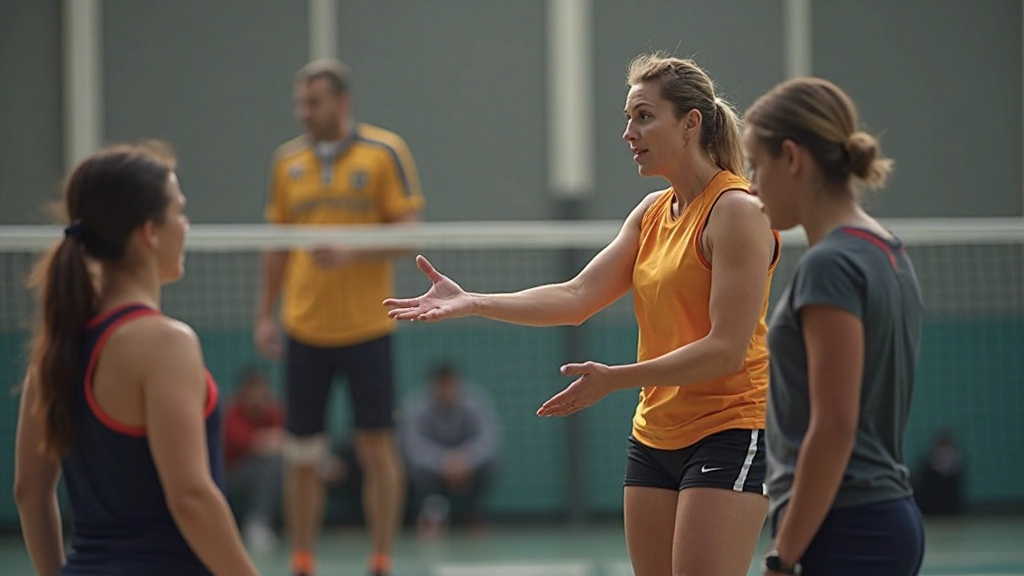
Passing, often called the foundation of volleyball, requires specific foot positioning, arm mechanics, and body alignment. Effective instruction involves demonstrating proper platform creation through arm positioning, explaining the importance of knee bend for power generation, and practicing receiving skills through progressive difficulty levels. Athletes benefit from drills that emphasize contact point consistency and platform stability before advancing to dynamic movement scenarios.
Setting requires exceptional hand positioning, finger strength development, and court awareness. Coaches teaching setting skills must address the distinctive hand shape, finger contact patterns, and wrist positioning that differentiate quality sets from basic ball delivery. Progressive drills should develop finger strength and control before introducing movement patterns, ensuring athletes develop the necessary physical capabilities to execute advanced setting techniques.
Spiking development encompasses approach footwork, arm swing mechanics, timing coordination, and contact point precision. Teaching spiking skills involves breaking the complex movement into manageable components, allowing athletes to master approach patterns before introducing upper body mechanics. Coaches must emphasize proper timing with the set, consistent arm swing patterns, and varied hitting angles to develop versatile attacking players.
Each fundamental skill requires specific coaching attention and progressive advancement. Rather than attempting to teach complete techniques immediately, successful coaches introduce foundational concepts, allow adequate practice time for motor learning, then systematically add complexity. This approach respects the cognitive and physical demands of skill acquisition while building athlete confidence through achievable progressions.
This content provides educational information regarding volleyball coaching principles and skill development methodologies. It is presented for informational purposes to help coaches understand various approaches to teaching volleyball techniques. Individual coaching situations vary based on athlete age, experience level, physical capabilities, and team objectives. Coaches should adapt these principles to their specific context and consider consulting with certified coaching professionals or sports science experts when developing training programs for competitive environments. Results and implementation timelines vary depending on numerous factors including athlete dedication, practice frequency, and coaching expertise.
Structuring training sessions to optimize skill development requires thoughtful planning and understanding of how athletes acquire new motor skills. Successful training sessions typically follow a progression that begins with skill introduction, moves through focused practice, and concludes with integrated application within game-like contexts. This structure supports athletes' cognitive processing while providing adequate repetition for motor learning consolidation.
Begin by clearly explaining the technical objective and demonstrating proper execution. Effective demonstration combines visual presentation with verbal explanation of key mechanical principles. Athletes benefit from understanding not just how to perform the skill, but why specific body positions and movement patterns are important for execution quality.
Create training conditions that isolate the skill being developed, minimizing distractions and external variables. Controlled practice allows athletes to focus on technical execution without managing complex tactical decisions simultaneously. This approach supports focused skill development before advancing to more challenging scenarios.
Gradually introduce variables that increase execution demands, such as variable ball trajectory, different approach angles, or partner positioning changes. Progressive complexity allows athletes to apply developing skills in increasingly realistic scenarios while maintaining technical focus and execution quality.
Finally, integrate developed skills into competitive game situations where athletes must execute techniques while managing tactical considerations and competitive pressure. This final progression stage confirms that skills have achieved sufficient automaticity for reliable performance in demanding contexts.
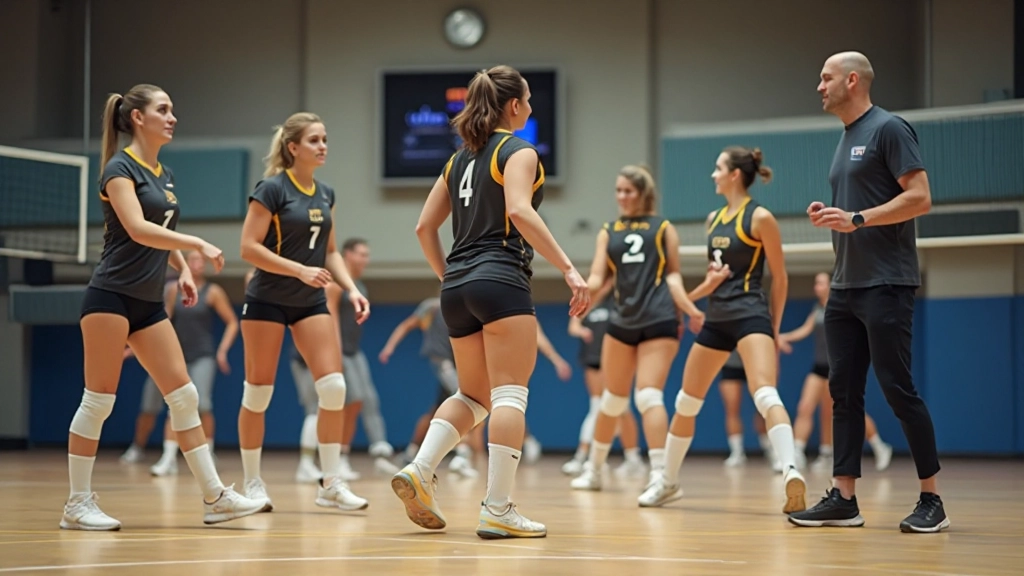
Constructive feedback represents one of the most powerful tools available to coaches for accelerating skill development. Effective feedback is specific, actionable, and focuses on technical elements athletes can control and modify. Rather than providing general praise or criticism, coaches should identify specific technical adjustments that will improve execution quality and explain the mechanical principles supporting recommended changes.
Rather than stating "that was poor," identify specific technical elements requiring adjustment. For example: "lower your platform angle by 15 degrees to improve pass consistency" provides clear technical guidance athletes can implement immediately. Specific feedback connects execution quality to mechanical variables, helping athletes understand cause-and-effect relationships between technique and results.
Advance athletes to more complex variations only when they demonstrate consistent technical execution at current difficulty levels. Premature progression often results in athletes reverting to compensatory movement patterns and developing poor technical habits. Patience with progression timing supports long-term skill development and prevents the frustration that results from attempting techniques beyond current capability levels.
Implementing simple assessment methods helps coaches track skill development progress and identify athletes requiring additional support. Performance indicators might include pass accuracy percentages, setting consistency metrics, or spiking success rates. Tracking progress provides objective information for program adjustments and helps athletes recognize improvements, which supports continued motivation and engagement.
Structure training progressions to provide regular success experiences that build athlete confidence. Athletes who experience consistent skill improvement develop greater confidence in their abilities and demonstrate increased willingness to attempt more challenging techniques. Confidence becomes a foundation for continued progression and competitive performance development.
Fundamental coaching principles for skill development center on understanding athlete learning processes, structuring training progressions systematically, and providing specific actionable feedback that supports technical improvement. Successful coaches recognize that skill development requires time, adequate practice opportunities, and thoughtful instruction that builds both technical competency and athlete confidence. By implementing structured progressions, maintaining focus on fundamental technique quality, and providing constructive feedback, coaches create training environments where athletes develop reliable volleyball skills applicable in competitive contexts. The investment in proper foundational skill development establishes capabilities that support advanced technique acquisition and competitive performance throughout athletes' volleyball careers.