Contact Us
Contact Us

Team Formation Strategies and Defensive Systems

Explore the fundamental principles of tactical team arrangement and defensive positioning. Understanding various formations and their applications enables coaches to develop strategic approaches tailored to team capabilities and opponent characteristics.

8 min read Coaching Education
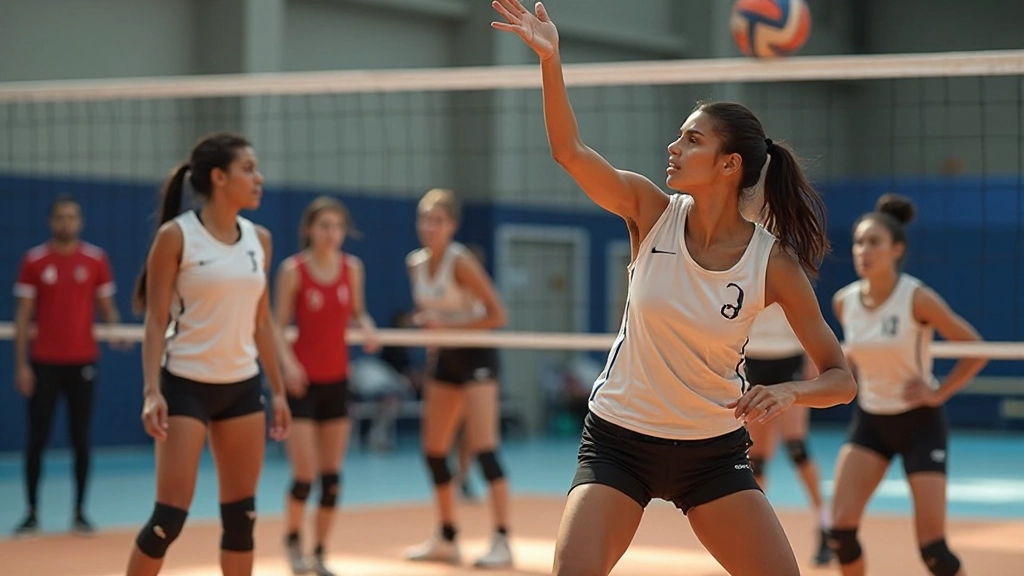
Professional volleyball team demonstrating tactical formation during training session

Understanding Formation Fundamentals

Team formations represent the strategic positioning of players on the court to optimize defensive coverage and offensive potential. Each formation creates distinct advantages and limitations based on court positioning and player responsibilities. The selection of an appropriate formation depends on team strengths, available personnel, and tactical objectives against specific opponents.

Formations serve multiple purposes beyond simple player positioning. They establish clear communication patterns, define responsibility zones, and create systematic approaches to both defensive and offensive play. Understanding the theoretical foundation of formations enables coaches to make informed decisions about tactical implementation and player development strategies.
Key Formation Concept

Effective formations balance defensive stability with offensive flexibility, allowing teams to respond to changing game situations while maintaining strategic coherence.

Formation Selection Considerations

  • Player skill distribution across positions
  • Team height and physical attributes
  • Individual defensive capabilities
  • Offensive transition speed requirements
  • Opponent tendencies and playing style
  • Match pressure and situational factors
  • Recovery time and movement efficiency

Common Defensive Formation Structures

Different defensive formations create varying levels of court coverage and player specialization. Each structure presents unique challenges and opportunities for both defensive execution and offensive transition.

4-2 Formation

The 4-2 structure places four players in primary defensive positions with two specialists in attacking roles. This arrangement emphasizes defensive coverage while maintaining offensive threat through dedicated attackers. Teams using this formation typically benefit from having strong outside hitters and a reliable setter positioned strategically.

  • Balanced defensive coverage
  • Clear offensive specialization
  • Efficient transition opportunities

5-1 Formation

The 5-1 configuration uses a single setter and five defensive specialists. This formation maximizes court coverage by positioning players to cover all defensive zones effectively. The arrangement requires exceptional setter positioning awareness and demands that all field players understand secondary setting responsibilities during transition situations.

  • Comprehensive court coverage
  • Reduced transition gaps
  • Requires advanced ball-reading skills

6-2 Formation

The 6-2 system employs two setters who alternate between defensive and offensive responsibilities. This advanced formation provides flexibility in setter positioning and allows continuous offensive options. Implementation requires setters with comprehensive technical skills and decision-making capabilities suitable for complex game situations.

  • Flexible setter deployment
  • Continuous offensive options
  • Requires experienced setters

Educational Information

This content provides educational information about volleyball coaching strategies and team formations. The information presented represents general coaching concepts and does not constitute professional coaching advice specific to any team or individual. Formation selection and implementation depend on numerous variables including player capabilities, training level, and specific match circumstances. Coaches should evaluate all strategic decisions within their particular context and adapt approaches based on team assessment and experience. Successful implementation of formations requires ongoing evaluation, player feedback, and adjustment based on performance results and team development progress.

Formation Implementation and Tactical Adaptation

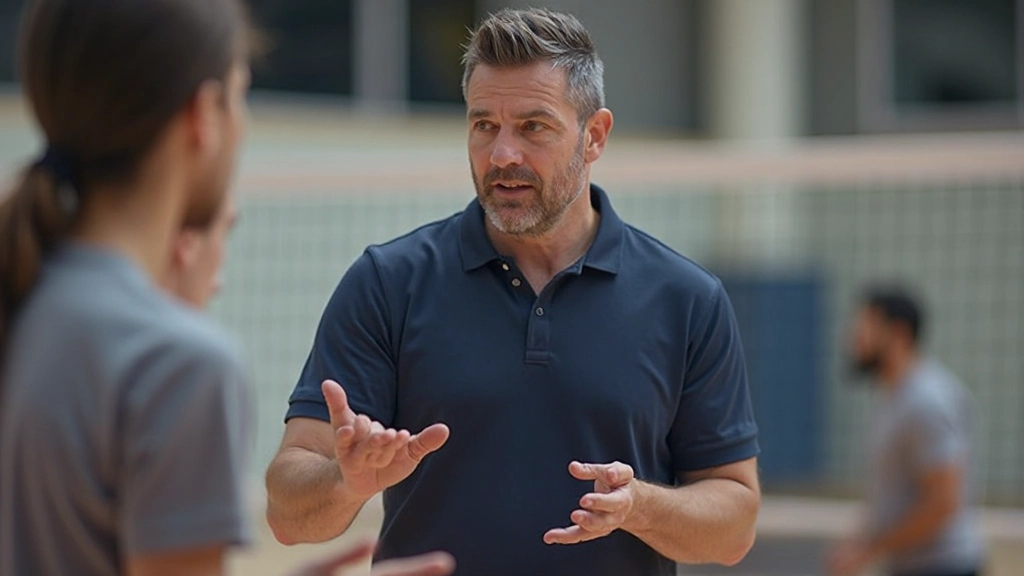
Volleyball coach analyzing team positioning and tactical adjustments during training

Implementing formations requires systematic development through structured training sessions. Players must understand their positional responsibilities, movement patterns, and decision-making criteria within each formation. Progressive introduction of formations allows teams to develop competency through repetition and feedback cycles.

Tactical adaptation involves modifying formations based on match situations, opponent strategies, and player availability. Successful coaches develop flexibility by teaching players multiple formation variations and decision trees for transition situations. This adaptability enables teams to respond effectively to changing match dynamics while maintaining strategic coherence.

Implementation Stages

  1. Instruction Phase: Players learn theoretical positioning and responsibilities through demonstration and explanation
  2. Practice Phase: Repetitive drill work establishes muscle memory and movement patterns in controlled environments
  3. Integration Phase: Formations incorporated into competitive practice situations with defensive and offensive continuity
  4. Match Application: Formations deployed in actual competition with continued observation and adjustment

Advanced Tactical Considerations and Player Development

Opponent Analysis Integration

Formation selection benefits from comprehensive opponent analysis. Evaluating opposing team tendencies—such as attack patterns, setter positioning preferences, and defensive weaknesses—enables strategic formation choices. Teams may adjust formations specifically to defend against particular opponent strengths or exploit defensive vulnerabilities.

Video analysis tools and statistical tracking systems provide detailed information about opponent patterns. This data informs formation decisions and helps coaches identify specific adjustments that may improve match performance. Integration of analytical insights with coaching experience creates comprehensive strategic planning.

Player Role Clarity

Each player within a formation must understand their specific responsibilities and how their actions contribute to team objectives. Clear role definition reduces confusion during competition and enables efficient communication. Players performing specialized functions develop expertise through focused training and repetition.

Role clarity also facilitates player development by establishing clear expectations for skill improvement and positioning mastery. Individual players can focus training efforts on specific competencies required for their assigned roles within team formations.

Key Takeaways

  • Formations create systematic approaches to defensive positioning and offensive organization
  • Different formation structures offer varying advantages in coverage, flexibility, and specialization
  • Effective implementation requires progressive training, clear communication, and continuous feedback
  • Tactical adaptation based on opponent analysis and match situations enhances strategic effectiveness
  • Player understanding of roles and responsibilities improves execution and team coordination