Youth Development and Team Building Methodologies
Discover evidence-based approaches for cultivating emerging talent and fostering cohesive team environments. Learn comprehensive frameworks that develop individual athletic capabilities while building positive team culture and interpersonal dynamics.
Understanding Youth Development in Competitive Sports
Youth development within competitive sports contexts extends beyond skill acquisition to encompass physical, psychological, and social growth. Effective coaching methodologies recognize that emerging athletes require structured environments that balance technical instruction with personal development. Research in sports science indicates that athletes between ages 12-18 benefit from progressive training systems that adapt to their developmental stage, capacity levels, and individual learning preferences.
The foundation of successful youth programs rests on understanding how young athletes learn, progress through developmental phases, and respond to feedback. Programs that incorporate age-appropriate challenges, constructive feedback mechanisms, and opportunities for autonomy tend to foster both skill development and sustained engagement in sport. This comprehensive approach recognizes that developing young athletes requires attention to their physical capabilities, cognitive understanding, emotional regulation, and social integration within team environments.
Core Coaching Methodologies for Skill Development
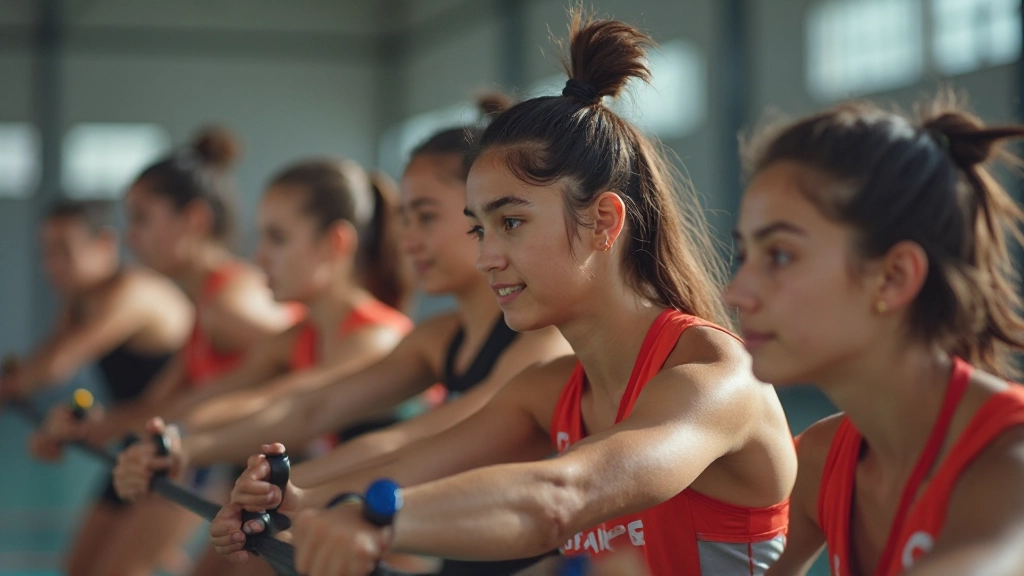
Systematic skill development in youth sports follows established progression frameworks. Coaches implement teaching models that break complex movements into teachable components, allowing young athletes to understand mechanics before executing full techniques. Effective methodologies incorporate:
- Progressive Complexity: Skills are introduced in simplified form, then gradually increased in difficulty as athletes demonstrate competence
- Deliberate Practice: Structured training sessions focus on specific skill components with targeted repetition and refinement
- Feedback Systems: Coaches provide timely, specific information about performance to guide improvement and learning
- Performance Variation: Athletes practice skills in varied contexts and conditions to develop adaptability
- Assessment Mechanisms: Regular evaluation of skill development informs program adjustments and individual athlete progression
Research demonstrates that coaches who employ these systematic approaches observe more consistent skill development and higher retention rates among young athletes compared to less structured instructional methods.
Building Team Cohesion and Positive Culture
Inclusive Team Dynamics
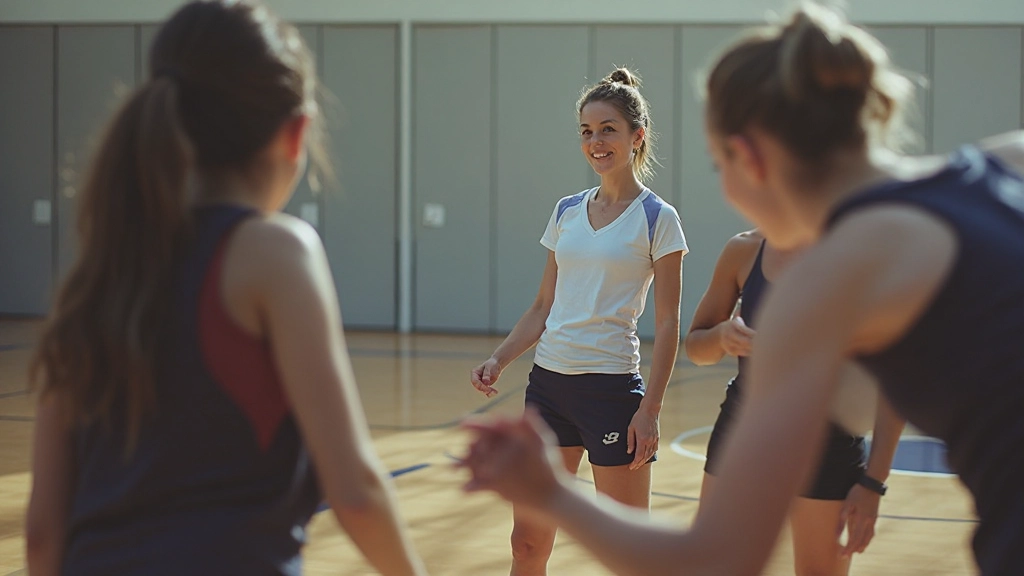
Creating environments where all athletes feel valued regardless of ability level strengthens team cohesion. Programs that implement inclusive practices—such as rotating role assignments, ensuring all players receive meaningful practice time, and establishing team norms that celebrate individual contributions—develop stronger interpersonal bonds and shared commitment to team objectives.
Communication Frameworks
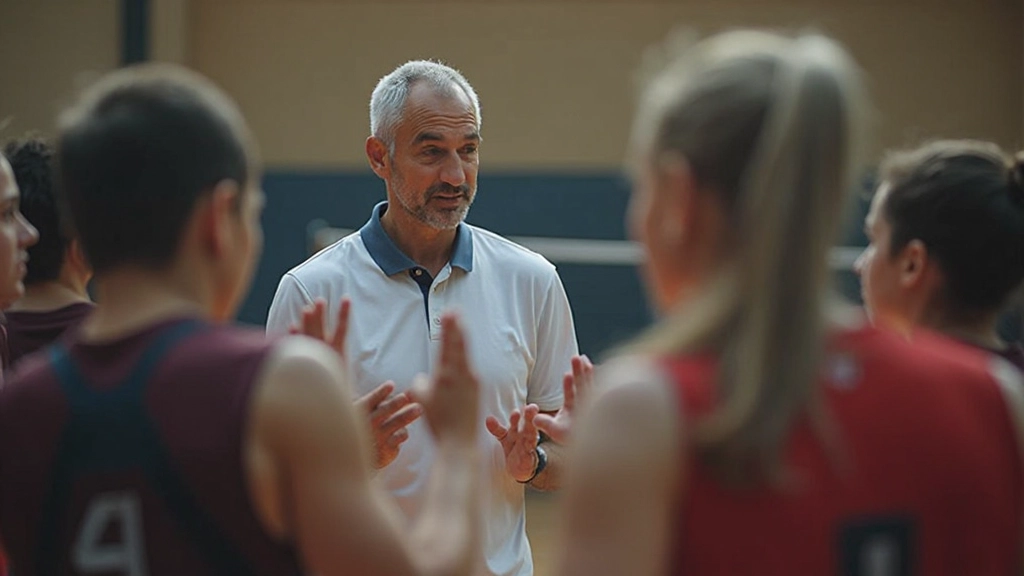
Establishing clear communication protocols between coaches and athletes, and among teammates, facilitates understanding and reduces conflicts. Structured communication approaches—including regular team meetings, one-on-one coaching discussions, and feedback channels—create transparency and build trust within the team structure.
Shared Objectives and Goals
When team members understand collective goals and their individual roles in achieving them, engagement and motivation increase significantly. Coaches establish both performance objectives and development milestones that require collaborative effort, creating shared purpose and interdependence among athletes.
Psychological Safety
Young athletes develop confidence and willingness to take performance risks when they perceive psychological safety—the belief that mistakes are learning opportunities rather than sources of punishment or ridicule. Coaches foster this environment through consistent support, constructive feedback, and modeling of resilience.
Educational Information
This content provides educational information about youth development and team building methodologies in sports contexts. The information presented represents general frameworks and research findings in sports coaching and athlete development. Individual coaching situations vary significantly based on athlete age, experience level, specific sport requirements, cultural contexts, and organizational resources.
Coaches and athletic program directors should adapt these approaches to their specific circumstances, consult with qualified sports professionals, and consider their athletes' individual developmental needs. Effective program implementation requires ongoing assessment, adjustment based on athlete feedback, and alignment with institutional policies and professional standards in coaching.
Advanced Development Strategies
Differentiated Training Approaches
Effective youth programs recognize that athletes develop at different rates and possess varying capacities. Differentiated training allows coaches to provide age-appropriate and ability-appropriate challenges. This might include varying drill complexity, adjusting performance expectations, providing additional technical instruction for developing athletes, or offering advanced challenges for progressing athletes. Such approaches maintain engagement across the athlete spectrum and support continued development at individual paces.
Mentorship and Leadership Development
Youth programs benefit from structured mentorship systems where experienced athletes guide newer team members. These peer mentorship relationships develop leadership capabilities in senior athletes while accelerating the learning process for younger or less experienced players. Programs that intentionally develop athlete leaders create sustainable team cultures that extend beyond individual coaching relationships and build institutional knowledge within the team structure.
Long-Term Development Planning
Comprehensive youth development operates within multi-year timelines rather than single-season focuses. Coaches design progression pathways that anticipate athletes' physical, cognitive, and emotional development across multiple seasons. This perspective allows for strategic skill sequencing, appropriate challenge levels, and sustainable motivation. Long-term planning also facilitates communication with athletes and families regarding development expectations and progression criteria.
Resilience and Emotional Development
Beyond physical skill development, effective youth programs cultivate psychological resilience and emotional competence. Athletes learn to manage performance pressure, process feedback constructively, recover from setbacks, and maintain motivation through challenges. Coaches facilitate this development through deliberate discussion of mental strategies, modeling of resilience behaviors, and creation of supportive team environments where difficulty is normalized as part of the development process.
Implementing Development Programs: Key Considerations
1
Assessment and Baseline Evaluation
Programs begin with comprehensive assessment of current athlete capabilities across technical, physical, and psychological dimensions. Understanding baseline capacities allows coaches to establish appropriate starting points and track meaningful development over time.
2
Structured Curriculum Design
Systematic programs feature clearly defined learning objectives, progression sequences, and assessment methods. Well-designed curricula ensure consistent skill development across coaching staff and provide frameworks for athlete advancement.
3
Coaching Staff Development
Program quality depends significantly on coaching staff competence. Organizations invest in ongoing coach education, including technical instruction, teaching methodology, youth development principles, and communication skills.
4
Family and Stakeholder Communication
Clear communication with athletes' families about program philosophy, development expectations, and progression criteria supports alignment between home and team environments and enhances athlete commitment.
5
Monitoring and Adaptation
Effective programs include mechanisms for regular evaluation of athlete progress, team dynamics, and program effectiveness. Data collection informs adjustments to training approaches, individual support, and program structures.
6
Well-being and Holistic Development
Programs prioritize athlete well-being across physical, psychological, and social dimensions. This includes appropriate training loads, recovery practices, mental health support, and emphasis on education and life skills alongside athletic development.
Building Sustainable Youth Programs
Youth development and team building in competitive sports represent interconnected processes that require thoughtful program design, skilled coaching, and sustained organizational commitment. Programs that systematically develop individual athlete capabilities while fostering strong team cultures create environments where young athletes thrive both in sport and beyond. The methodologies discussed—from progressive skill instruction to psychological support—form the foundation of programs that produce not only capable athletes but also confident, resilient individuals with valuable interpersonal skills and positive attitudes toward continued growth.
Successful implementation requires recognizing that each athlete develops uniquely and that team environments benefit from inclusive practices that value diverse contributions. Organizations that commit to evidence-based approaches, invest in coach development, and maintain focus on athlete well-being create programs that generate lasting positive impact across multiple dimensions of young athletes' lives.
Explore Related Topics